Step-by-Step List for Picking the Best Assisted Living Facility
Business Name: BeeHive Assisted Living Homes of Rio Rancho NM #1 - Dementia Care & Memory Care
Address: 204 Silent Spring Rd NE, Rio Rancho, NM 87124
Phone: (505) 221-6400
BeeHive Assisted Living Homes of Rio Rancho NM #1 - Dementia Care & Memory Care
BeeHive Assisted Living Homes of Rio Rancho NM #1 - Dementia Care & Memory Care is a premier Rio Rancho Assisted Living facilities and the perfect transition from an independent living facility or environment. Our Alzheimer care in Rio Rancho, NM is designed to be smaller to create a more intimate atmosphere and to provide a family feel while our residents experience exceptional quality care. We promote memory care assisted living with caregivers who are here to help. Memory care assisted living is one of the most specialized types of senior living facilities you'll find. Dementia care assisted living in Rio Rancho NM offers catered memory care services, attention and medication management, often in a secure dementia assisted living in Rio Rancho or nursing home setting.
204 Silent Spring Rd NE, Rio Rancho, NM 87124
Business Hours
Choosing an assisted living neighborhood is among those decisions that is both practical and deeply psychological. You are weighing security, medical needs, and money, however also dignity, identity, and the texture of everyday life. Families typically tell me they wish they had a clearer roadmap before they started visiting locations and reading glossy brochures.
What follows is a structured, real-world checklist constructed from years of working in senior care, listening to households, and seeing what in fact matters once someone moves in. Use it as a guide, not a rigid rulebook. Everyone and every family has its own non‑negotiables.
A quick 5‑step checklist at a glance
Use this as your high‑level roadmap. The remainder of the short article dives deep into each step.
- Clarify requirements, choices, and timing
- Understand spending plan, benefits, and financial constraints
- Build a brief, reasonable list of assisted living alternatives
- Visit, observe, and compare care quality and life
- Review contracts, prepare the transition, and reassess after move‑in
Most households return and forth between these steps instead of following them in a perfect straight line. That is normal. The point is to keep your choice anchored in a structured procedure instead of whatever center returns your call initially or has the shiniest lobby.
Step 1: Clarify needs, choices, and timing
If you avoid this step, whatever else gets harder. You will hear sales language from assisted living neighborhoods that may or may not match what your parent or loved one actually needs.
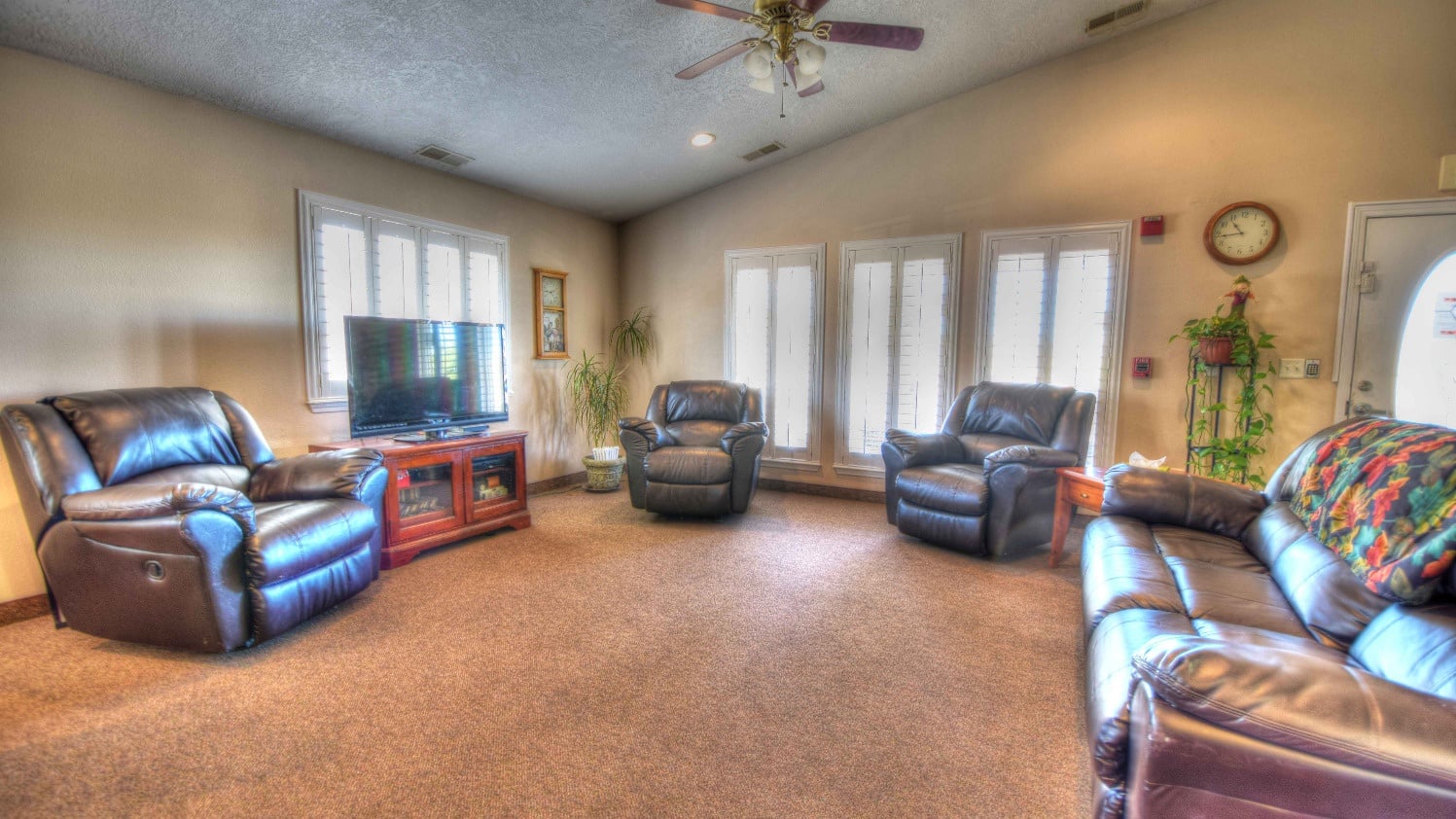
Start with function and security, not age. 2 82‑year‑olds can have totally different assistance needs. One may still drive, prepare, and handle medications, while the other battles with dressing, remembering doses, and falls.
A practical way to think of this is to look at:
- Activities of daily living (ADLs): bathing, dressing, toileting, transferring, consuming, and continence
- Instrumental activities of daily living (IADLs): cooking, shopping, managing finances, transport, housework, handling medications
Even if you never ever use these terms with a center, having your own rough sense of whether your parent needs light, moderate, or heavy assistance with ADLs and IADLs will allow you to ask sharper questions.
It frequently helps to have an objective evaluation. This can come from:
A primary care doctor or geriatrician who knows their medical history.
A hospital discharge organizer, if you are transitioning after a hospitalization. A care supervisor or social worker who concentrates on senior care or elderly care.
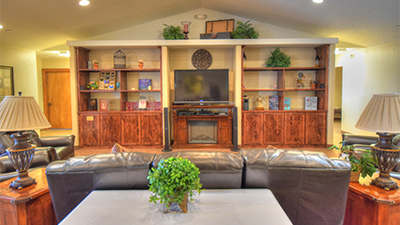
If your loved one has amnesia, ask directly about cognitive problems. Early dementia can show up as confusion about time, trouble handling cash, or duplicated medication mistakes. Not all assisted living facilities are established for significant memory problems. Some offer dedicated memory care units, with locked however home‑like settings and personnel trained particularly in dementia.
Alongside practical needs, make a note of preferences. These matter for lifestyle:
Location: close to household, familiar neighborhood, near a specific hospital.
Size: smaller, home‑like buildings vs large campuses with more amenities. Culture: quiet and low‑key vs active and social. Religious or cultural alignment. Pets, outdoor space, privacy, visiting hours.Finally, be honest about timing. Are you planning ahead, or are you responding to a crisis such as a fall or caregiver burnout at home? If it is urgent, you might need respite care first, then transition to irreversible assisted living as soon as everyone can breathe and plan.
Step 2: Understand budget, benefits, and financial constraints
Money shapes the sensible menu of choices. Households typically underestimate total expenses, then feel blindsided later.
Assisted living is generally personal pay. Medicare usually does not cover space and board in assisted living facilities, though it may cover particular medical services offered there. Medicaid protection differs by state and often has waitlists, eligibility requirements, and minimal participating facilities.
Start by clarifying:
What earnings and properties are available regular monthly and over the next 3 to 5 years.
Whether there is a long‑term care insurance coverage, and what it in fact covers. Eligibility for veterans' benefits, such as Help and Presence, which can balance out some assisted living costs. Whether offering a home is on the table, and if so, on what timeline.Facilities often estimate a base rate and after that add tiered care charges. For example, the base might consist of lease, energies, basic house cleaning, and some meals. Extra expenses might obtain medication management, incontinence care, extra escorts, or improved monitoring during the night. 2 residents in the exact same structure can pay extremely different month-to-month amounts.
Ask yourself what trade‑offs you are willing to make. A facility that seems costly at first glance may provide greater staff ratios, better nursing oversight, or a more powerful performance history handling complex conditions. A more affordable choice that relies greatly on outdoors home‑health companies for even basic care can end up being more pricey and fragmented over time.
It is an error to focus only on the very first year. If your loved one has a progressive illness such as Parkinson's or dementia, care requirements will increase. You want a senior care setting that can adjust without forcing yet another disruptive relocation in a year or two.
Step 3: Construct a short, practical list of assisted living options
Once you know requirements and budget, withstand the urge to tour every assisted living facility within 50 miles. You will stress out, and details will blur.
Start with 3 or 4 prospects that:
Fit within a reasonable price range, even after adding likely care fees.
Offer the level of care your loved one requires now, and possibly soon. Are in areas that work for the family members most associated with care.Information sources consist of online directories, state regulatory websites, regional senior centers, physicians, and word of mouth. Be cautious with online reviews. Complaints can show one dissatisfied household out of numerous residents, beehivehomes.com respite care or they may reveal patterns such as chronic understaffing or bad food quality.
A useful filter is to take a look at whether a center is accredited for assisted living just, or if it also offers memory care or skilled nursing on the very same campus. Continuing care communities can reduce transitions as needs change, but they can likewise have higher entryway costs and more intricate contracts.
Call each facility and pay attention not just to the material, but to the tone and responsiveness. How quickly do they return calls? Does the individual on the phone listen, or just recite a script about amenities? The method a community handles you as a prospective resident typically mirrors how they deal with families when somebody has actually moved in.
Ask for standard facts before setting up a tour:
Current base rates and typical overall month-to-month variety for locals with similar needs.
Whether they accept respite care stays, and on what terms. Staffing patterns, especially the existence and hours of licensed nurses on site. Any current ownership or management changes.If a facility refuses to provide even broad pricing ranges before you visit, recognize that as an information point. Openness at this phase conserves everyone time.
Step 4: Visit, observe, and compare day-to-day life
Tours are typically carefully choreographed. The technique is to look past the staged exercise class and fresh flowers.
Plan a minimum of one calm visit for each candidate. If possible, address different times of day: a weekday early morning and a weekend afternoon expose different realities. Ask if your loved one can join for a meal or an activity, so you can see how they respond.
Here is where you change from reading marketing products to using your own senses.
First, observe how you feel when you stroll in. Is the atmosphere warm and lived‑in, or cold and hotel‑like? Do staff welcome locals by name? Are locals sitting in corridors looking disengaged, or are there pockets of activity at various functional levels?
Second, view personnel habits. Do caregivers appear hurried and worried, or calm and attentive? Personnel turnover is a crucial indicator. Every building has some churn, however consistent change can be a red flag. Ask directly for how long typical caretakers and nurses stay.
Third, take notice of health and security:
Cleanliness of typical areas and bathrooms.
Smells that might recommend bad incontinence management. Lighting, floor covering, and handrails that impact fall risk. How staff help homeowners with walkers or wheelchairs.Fourth, look at how medications are handled. Medication management is one of the most crucial services in assisted living, and errors can have serious repercussions. You want clear systems: locked medication rooms or carts, documented administration, and visible oversight by nursing staff.
Finally, assess meals and social life. Food in elderly care is more than nutrition; it is convenience and routine. Try a meal if possible. Ask whether they can accommodate unique diets, such as low sodium or diabetic. Observe whether personnel really assist residents who need cueing or physical help to consume, instead of leaving trays and walking away.
Many households find it helpful to bring a list of questions. Keep it practical and prevent being swayed only by facilities that sound nice however might never be used.
Here is one focused list of concerns to guide your tour conversations:
- What is the staff‑to‑resident ratio on days, evenings, and overnight, and how is it changed when requires boost?
- How are care strategies developed, who takes part, and how often are they updated?
- How do you handle falls, abrupt disease, and modifications in condition, consisting of when to call 911 or a family member?
- Can you describe a common day here for someone with my loved one's abilities and interests?
- How do you interact with households about issues, incidents, or progressive decline?
Write answers down. After a few visits, every structure's sales pitch starts to sound similar. Your notes assist you compare truths, not marketing language.
Step 5: Evaluate care quality, staffing, and medical support
The expression "assisted living" covers a wide variety of models. Some neighborhoods are heavily hospitality‑focused, with lovely design however restricted scientific depth. Others have strong nursing leadership but less frills. You desire the ideal mix for your situation.
Care quality depends on staffing patterns, training, guidance, and relationships with external providers.
Ask about:
Who is in fact providing day‑to‑day care. Most hands‑on tasks are done by caregivers or certified nursing assistants, not nurses or doctors.
Whether there is a nurse in the building 24/7, only during organization hours, or on call after hours. How often medical suppliers, such as going to doctors or nurse specialists, begun site. What takes place when a resident's requirements intensify beyond the original care plan.If your loved one has intricate conditions, such as heart failure, COPD, insulin‑dependent diabetes, or advanced dementia, you will desire a neighborhood with more powerful scientific abilities. This may affect cost, however it decreases frequent health center trips and unplanned moves.
Medication management systems differ extensively. Some facilities charge per medication pass, others bundle it. For people on multiple medications, clarify who reconciles new prescriptions after hospitalizations, how they prevent duplication, and how they monitor for side effects.
Respite care can be a useful tool during this phase. A brief, time‑limited assisted living stay lets you check how a community deals with medications, behaviors, and daily routines without devoting to a long‑term contract. I have actually seen families discover during a two‑week respite stay that an apparently minor dementia issue actually requires a memory care environment. That discovery, while difficult, prevented a poor long‑term placement.
Finally, inquire about end‑of‑life assistance. Even if it feels early, understanding whether a facility partners well with hospice, and what locals can remain in location for, informs you something about their philosophy of care. A senior care service provider who talks conveniently and concretely about later on phases is typically more experienced and realistic.
Step 6: Check out the agreement like a skeptic
Once you have a front‑runner, resist the urge to rush through the paperwork. The assisted living contract is where expectations, rights, and duties live. Problems usually arise not from bad individuals, but from misconceptions buried in fine print.
Block out quiet time to read:
How the base cost is defined, and exactly what services it includes.
How care levels or point systems work. There is typically a schedule that appoints points for each kind of assistance, then equates points into a care tier and fee. Policies on rate boosts, both annual and due to increased care needs. What sets off discharge or transfer to another level of care.Pay special attention to the sections on:
Refunds or credits if your loved one leaves or passes away partway through a month.
Resident rights, including complaint procedures and how issues can be escalated. Responsibility for individual valuables and damage.It is often worth having another relied on individual checked out the contract as well. If something is uncertain, ask for a plain‑language explanation and get it in composing, even in the form of an email.
Also clarify the function of outside services. Many residents receive physical therapy, occupational treatment, or nursing through home‑health firms while living in assisted living. Who sets up those services? Where will they take place? How do they communicate with the center about precautions and follow‑up?
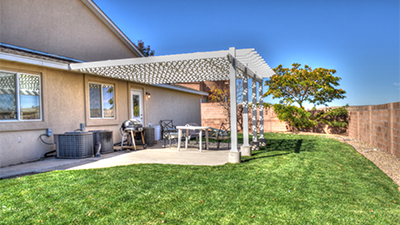
If your loved one is relocating from home, ask about how they handle the first thirty days. Some neighborhoods have casual "trial" durations or additional check‑ins as the resident changes. Others expect families to offer more presence initially, specifically if there is stress and anxiety or confusion.
Step 7: Strategy the move and the very first few weeks
The transition itself can make or break the experience. You are not just changing an address; you are re‑building daily life.
Involve your loved one as much as they can manage. Even someone with moderate cognitive problems might be able to pick preferred chairs, pictures, or bedding to bring. Familiar items reduce the shock of a new environment. Try to keep valued belongings, such as a comfy reclining chair or quilt, even if they are not stylish.
Coordinate with the facility about:
Furniture dimensions and what they supply vs what you ought to bring.
Move‑in scheduling to prevent overly rushed or late‑day arrivals, which can be hard for somebody with dementia. Medication handoff, including having enough doses on hand and updated prescriptions.For the very first couple of weeks, expect emotions. Citizens may express remorse, anger, or unhappiness. Caretakers in your home may feel regret or relief, in some cases both at once. I have actually seen households analyze a rough first week as a sign the positioning was a mistake, when in truth it was a typical adjustment.
Stay visible, but also offer personnel room to construct their own relationship. Daily visits in the start can comfort your loved one, but attempt not to intervene in every small request. Rather, use that preliminary period to observe patterns: Is your parent dressed, groomed, and engaged? Do staff seem to know their routines and quirks?
If your loved one originated from home with an extremely stretched family caretaker, consider utilizing respite care language even for a longer stay. Framing the move as "trying this out" can reduce the emotional weight, even if you anticipate it to be permanent.
Step 8: Monitor, revisit, and advocate
Choosing a center is not a one‑time choice. It is an ongoing relationship. The very best results occur when households remain involved, respectful, and properly assertive.
Keep an eye on:
Changes in appearance, weight, mood, or mobility.
Patterns of falls, infections, or hospitalizations. How rapidly and clearly the center communicates when something happens.Most assisted living neighborhoods have regular care conferences. Attend them if you can. Use those meetings to update the team on what you are seeing and what matters to your loved one. For instance, if your mother is most likely to shower in the evenings due to the fact that she constantly did so, share that. Small information can make care more successful.
When issues develop, start with the individual closest to the problem, such as the nurse or care supervisor, and escalate step-by-step if required. Facilities normally react better to specific, accurate issues than to broad accusations. "I have discovered 3 unopened medication packages in her room in the last month" is more actionable than "you never manage her meds right."
Sometimes, after all efforts, you might realize the fit is incorrect. Maybe your loved one needs a dedicated memory care unit, or a different culture, or a place better to another family member. Moving again is difficult, but remaining in a setting that can not meet developing needs can be harder. Utilize what you have actually learned from the first experience to make a more targeted option the 2nd time.
Balancing safety, autonomy, and quality of life
The heart of assisted living is a fragile balance. You are trying to supply adequate assistance to be safe, without stripping away independence and significance. Too much supervision can feel infantilizing; too little can be dangerous.
In practice, the best facilities deal with locals as partners instead of problems to manage. They appreciate long‑standing routines, even when those routines are troublesome. They comprehend that quality senior care is not just about preventing falls or managing blood pressure, however likewise about laughter at lunch, a familiar hymn in the background, or an employee who keeps in mind precisely how someone takes their coffee.
As you move through this checklist, offer equivalent weight to your head and your gut. Numbers and agreements matter. So does the subtle sensation you get when you see staff joking carefully with a resident or taking an additional moment to sit at eye level. Assisted living and elderly care are about relationships at their core. If the relationships look right, and the concrete details line up with needs and budget plan, you are most likely very close to the best place.
BeeHive Assisted Living Homes of Rio Rancho NM #1 - Dementia Care & Memory Care provides assisted living care
BeeHive Assisted Living Homes of Rio Rancho NM #1 - Dementia Care & Memory Care provides memory care services
BeeHive Assisted Living Homes of Rio Rancho NM #1 - Dementia Care & Memory Care provides respite care services
BeeHive Assisted Living Homes of Rio Rancho NM #1 - Dementia Care & Memory Care supports assistance with bathing and grooming
BeeHive Assisted Living Homes of Rio Rancho NM #1 - Dementia Care & Memory Care offers private bedrooms with private bathrooms
BeeHive Assisted Living Homes of Rio Rancho NM #1 - Dementia Care & Memory Care provides medication monitoring and documentation
BeeHive Assisted Living Homes of Rio Rancho NM #1 - Dementia Care & Memory Care serves dietitian-approved meals
BeeHive Assisted Living Homes of Rio Rancho NM #1 - Dementia Care & Memory Care provides housekeeping services
BeeHive Assisted Living Homes of Rio Rancho NM #1 - Dementia Care & Memory Care provides laundry services
BeeHive Assisted Living Homes of Rio Rancho NM #1 - Dementia Care & Memory Care offers community dining and social engagement activities
BeeHive Assisted Living Homes of Rio Rancho NM #1 - Dementia Care & Memory Care features life enrichment activities
BeeHive Assisted Living Homes of Rio Rancho NM #1 - Dementia Care & Memory Care supports personal care assistance during meals and daily routines
BeeHive Assisted Living Homes of Rio Rancho NM #1 - Dementia Care & Memory Care promotes frequent physical and mental exercise opportunities
BeeHive Assisted Living Homes of Rio Rancho NM #1 - Dementia Care & Memory Care provides a home-like residential environment
BeeHive Assisted Living Homes of Rio Rancho NM #1 - Dementia Care & Memory Care creates customized care plans as residents’ needs change
BeeHive Assisted Living Homes of Rio Rancho NM #1 - Dementia Care & Memory Care assesses individual resident care needs
BeeHive Assisted Living Homes of Rio Rancho NM #1 - Dementia Care & Memory Care accepts private pay and long-term care insurance
BeeHive Assisted Living Homes of Rio Rancho NM #1 - Dementia Care & Memory Care assists qualified veterans with Aid and Attendance benefits
BeeHive Assisted Living Homes of Rio Rancho NM #1 - Dementia Care & Memory Care encourages meaningful resident-to-staff relationships
BeeHive Assisted Living Homes of Rio Rancho NM #1 - Dementia Care & Memory Care delivers compassionate, attentive senior care focused on dignity and comfort
BeeHive Assisted Living Homes of Rio Rancho NM #1 - Dementia Care & Memory Care has a phone number of (505) 221-6400
BeeHive Assisted Living Homes of Rio Rancho NM #1 - Dementia Care & Memory Care has an address of 204 Silent Spring Rd NE, Rio Rancho, NM 87124
BeeHive Assisted Living Homes of Rio Rancho NM #1 - Dementia Care & Memory Care has a website https://beehivehomes.com/locations/rio-rancho/
BeeHive Assisted Living Homes of Rio Rancho NM #1 - Dementia Care & Memory Care has Google Maps listing https://maps.app.goo.gl/FhSFajkWCGmtFcR77
BeeHive Assisted Living Homes of Rio Rancho NM #1 - Dementia Care & Memory Care has Facebook page https://www.facebook.com/BeeHiveHomesRioRancho
BeeHive Assisted Living Homes of Rio Rancho NM #1 - Dementia Care & Memory Care has a YouTube Channel at https://www.youtube.com/@WelcomeHomeBeeHiveHomes
BeeHive Assisted Living Homes of Rio Rancho NM #1 - Dementia Care & Memory Care won Top Memory Care Homes 2025
BeeHive Assisted Living Homes of Rio Rancho NM #1 - Dementia Care & Memory Care earned Best Customer Service Award 2024
BeeHive Assisted Living Homes of Rio Rancho NM #1 - Dementia Care & Memory Care placed 1st for Assisted Living Communities 2025
People Also Ask about BeeHive Assisted Living Homes of Rio Rancho NM #1 - Dementia Care & Memory Care
What is BeeHive Homes of Rio Rancho Living monthly room rate?
The rate depends on the level of care that is needed (see Pricing Guide above). We do a pre-admission evaluation for each resident to determine the level of care needed. The monthly rate is based on this evaluation. There are no hidden costs or fees
Can residents stay in BeeHive Homes of Rio Rancho until the end of their life?
Usually yes. There are exceptions, such as when there are safety issues with the resident, or they need 24 hour skilled nursing services
Does BeeHive Homes of Rio Rancho have a nurse on staff?
No, but each BeeHive Home has a consulting Nurse available 24 – 7. if nursing services are needed, a doctor can order home health to come into the home
What are BeeHive Homes of Rio Rancho visiting hours?
Visiting hours are adjusted to accommodate the families and the resident’s needs… just not too early or too late
Do we have couple’s rooms available?
Yes, each home has rooms designed to accommodate couples. Please ask about the availability of these rooms
Where is BeeHive Homes of Rio Rancho located?
BeeHive Homes of Rio Rancho is conveniently located at 204 Silent Spring Rd NE, Rio Rancho, NM 87124. You can easily find directions on Google Maps or call at (505) 221-6400 Monday through Friday 9:00am to 5:00pm
How can I contact BeeHive Homes of Rio Rancho?
You can contact BeeHive Assisted Living Homes of Rio Rancho NM #1 - Dementia Care & Memory Care by phone at: (505) 221-6400, visit their website at https://beehivehomes.com/locations/rio-rancho, or connect on social media via Facebook or YouTube
You might take a short drive to the Corrales Historical Society. The Corrales Historical Society offers a quiet, educational outing that residents in assisted living, memory care, senior care, and elderly care can enjoy with family or caregivers as part of meaningful respite care visits.